.The Seat My Father Said I Didn’t Deserve Became the Beginning of Everything He Couldn’t Control
part2
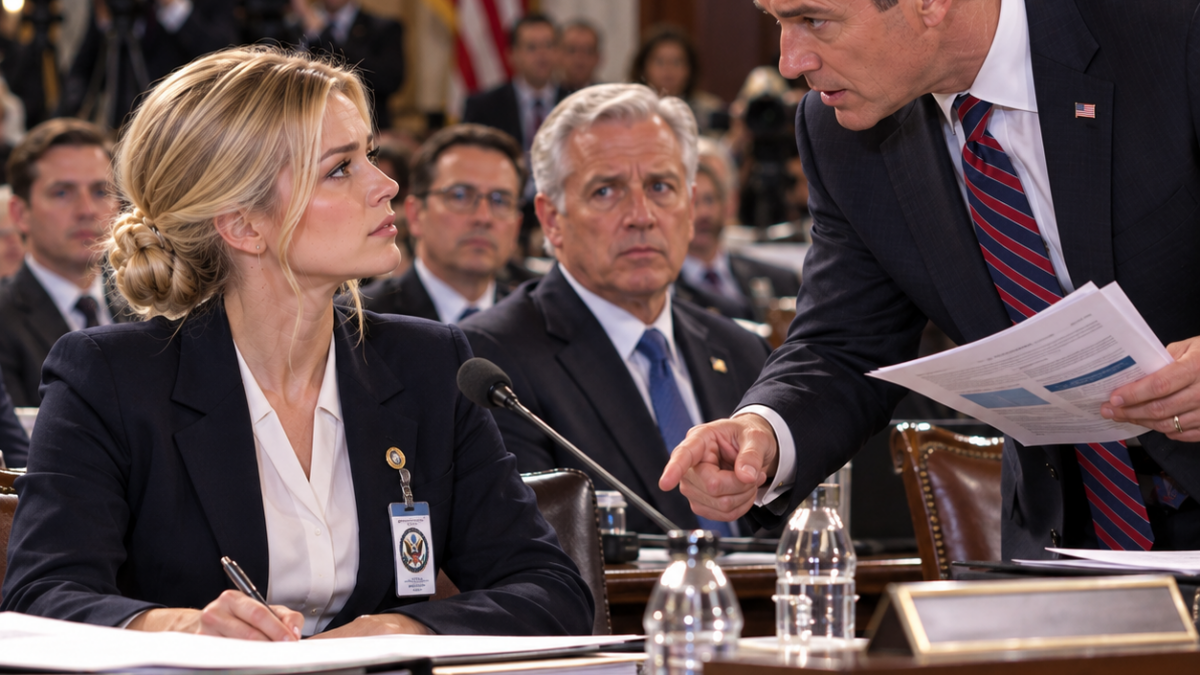
The House Armed Services Committee had questions about a defense manufacturing initiative spanning several states, hundreds of subcontractors, and billions in projected spending. One provision had become politically sensitive overnight. The committee wanted numbers. The Pentagon wanted precision. Nobody wanted to say something stupid on live television. I sat down. “Show me.” For the next eleven hours, I forgot Kyle’s wedding existed. At 9:40 that night, I ate half a turkey sandwich from a vending kiosk and drank coffee from a cup with a brown stain dried down one side. At 11:15, I rewrote a response concerning regional subcontracting thresholds. At 1:08 in the morning, the Deputy Secretary walked in without his jacket and pointed at one paragraph.
“Can we defend this tomorrow?”
“Yes.”
“You’re sure?”
“I wrote the underlying framework.”
He nodded. “Then sit behind me at the hearing.”
That was it.
No champagne.
No chandelier.
Nobody asked what brand my shoes were.
The next morning, Capitol Hill was already loud when our vehicles arrived. Press crews lined the sidewalk. Staffers moved through the Rayburn building carrying binders and phones with that particular Washington speed that means somebody important is already annoyed. I took my assigned seat behind the Deputy Secretary. The camera moved across the room. Then I saw Congressman Garrett Albright seated twenty yards away, flipping through the exact policy materials my team had prepared.
I knew him professionally.
My family apparently knew him spiritually.
For months, Dad had mentioned the possibility of Albright attending Kyle’s wedding events the way Catholics mention the Pope. At Thanksgiving, Kyle had actually said, “If Garrett shows up, people are going to understand what level we’re operating on now.” I nearly choked on mashed potatoes. Now Congressman Albright sat inside a hearing room reading analysis I had personally reviewed. The hearing began. Ninety minutes later, he leaned toward his microphone. “Mr. Deputy Secretary, I’m not satisfied with the regional allocation assumptions.” The room tightened. He lifted a packet. “This committee needs confidence that these manufacturing projections were subjected to direct policy review.”
The Deputy Secretary glanced back at me.
I already knew what was coming.
Albright looked over his glasses. “I see Senior Adviser Vera Dunning is with you.”
The camera turned.
Straight toward me.
Across America, televisions showed my face.
Including, apparently, one enormous screen inside a Belleview Country Club bridal suite three hundred miles away.
Albright continued. “Ms. Dunning has walked this committee through some of the most complicated industrial-base assessments we’ve reviewed in recent years.” He tapped the packet. “If she personally stands behind these numbers, I’m comfortable moving forward with this section.”
The Deputy Secretary turned slightly. “Vera?”
I reached for the microphone.
My family finally learned what I did for a living.
But the humiliation waiting for them had barely started.
I answered the committee’s question in under four minutes. No grandstanding. No speech designed for cameras. Just data, assumptions, limits, and the reason the underlying framework had been built the way it had. Albright followed up twice. Another member challenged one projection. I explained the sensitivity range and the alternate scenario we had modeled. By the time the exchange ended, the room moved on to the next issue. That is the funny thing about important work. The moment that changes your family’s understanding of you may barely register for everyone else.
When the hearing recessed, my personal phone looked possessed.
Twenty-three missed calls.
Eleven texts.
Four voicemails.
Dad first.
“Vera. Call me immediately. What was that? Why was Congressman Albright talking to you?”
I laughed out loud in the hallway.
Then Roxanne called.
Her voice sounded completely different from the polished woman who had spent the previous year explaining wedding etiquette to everybody else. “Vera, there has been a terrible misunderstanding.”
“About?”
“Tonight.”
Interesting.
“Arthur explained everything badly. Obviously you’re family. We have a seat for you.”
“Yesterday I didn’t fit the image.”
Silence.
Then: “We moved the seating.”
Of course they had.
Kyle texted next. CALL ME. SERIOUSLY. THIS IS IMPORTANT.
Then Dad.
I’LL PAY FOR A PRIVATE CHARTER. BE HERE BY 7.
I put the phone in my pocket.
My colleague Hannah raised an eyebrow. “Family?”
“Apparently I’ve been promoted.”
“To what?”
“Relative.”
She laughed.
Then my secure work phone buzzed.
The ethics office wanted to speak with me.
That got my attention.
Thirty minutes later, an ethics attorney slid a printed email across a conference table. “Have you authorized anyone in your family to use your name professionally?”
“No.”
“Have you discussed pending defense procurement decisions with them?”
“Absolutely not.”
She tapped the page.
A contractor had forwarded the email seeking clarification. At the bottom sat Kyle’s signature block. Above it was one sentence: Our Washington access, including direct family relationships inside senior defense policy channels, positions us uniquely for upcoming regional awards.
I read it twice.
No gasp.
No dramatic jaw drop.
I took out my glasses and read it again.
Anger is useful when you make it sit still.
“How many people received this?”
“We’re determining that.”
The next attachment was worse. A draft consulting agreement between Kyle’s employer and a development company controlled by Roxanne’s father, Richard Bellamy. Success fees. Introductions. Regional manufacturing partnerships. In the scanned margin, someone had handwritten: VD relationship could be decisive after Albright engagement.
VD.
Vera Dunning.
Me.
My brother had been selling access he did not have.
The ethics attorney folded her hands. “We’re not accusing you of involvement.”
“Good.”
“But until we understand this, document everything.”
“I already have.”
Dad’s texts.
Kyle’s messages.
Roxanne suddenly finding a chair for me beside Congressman Albright.
I forwarded everything through the proper channel.
Then I did something my family never expected.
Nothing dramatic.
I boarded my scheduled commercial flight.
Coach.
Seat 18A.
A toddler kicked the back of my seat somewhere over Richmond while Dad sent increasingly frantic messages.
6:12 p.m. WHERE ARE YOU?
6:38. ALBRIGHT’S STAFF CONFIRMED HE’S COMING.
6:41. PLEASE DON’T BRING UP THE MISUNDERSTANDING.
Then Kyle:
We need to present a united family tonight. Don’t make this weird.
I stared at that message for a long time.
Twelve hours earlier, I had not belonged at the table.
Now apparently I was responsible for family unity.
I locked the phone.
When we landed, one final message waited from an unknown number.
Ms. Dunning, this is Congressman Albright’s chief of staff. Before tonight, I think you should see what your brother sent our office.
Attached was a screenshot.
Kyle had not only used my name with contractors.
He had used it to persuade Albright’s office to attend the dinner.
I sat in the plane for several seconds after everyone around me began standing. His message described the evening as an informal opportunity for the congressman to connect with local industry representatives and “our family’s senior defense-policy contact.”
Our family’s.
Not Vera.
Not my sister.
A resource.
By the time I reached baggage claim, I understood the dinner completely differently. Excluding me had never really been about my job being unimpressive. It had been about control. Dad and Kyle wanted me invisible when they thought invisibility benefited them. The moment television proved my status useful, they wanted me placed beside the exact politician Kyle had been invoking in business communications.
That distinction mattered.
I rented a car.
I arrived at Belleview at 7:47.
Not seven.
Not by private charter.
Not breathless.
A valet opened the door while music drifted from the ballroom. White lights wrapped old oak trees outside. Inside, waiters carried champagne across polished marble beneath chandeliers the size of small cars. Dad saw me immediately.
He nearly ran.
“Thank God.”
He grabbed my elbow.
I removed his hand.
“Don’t.”
Dad glanced around. “Keep your voice down.”
“I haven’t raised it.”
Kyle appeared behind him wearing a tuxedo. His face was pale. “Vera, listen. Garrett should be here any minute.”
Garrett.
Two hours earlier, he had been Congressman Albright.
Amazing how quickly desperation creates intimacy.
Dad leaned closer. “When he comes in, we’re going to say you adjusted your schedule specifically to attend Kyle’s dinner.”
“No.”
His eyes widened.
“What?”
“I’m not lying.”
“It’s not lying. It’s presentation.”
Kyle hissed, “Can you stop being difficult for one night?”
That almost impressed me.
“You told his staff I was helping arrange introductions for your business.”
Kyle’s face changed.
Barely.
But I saw it.
Dad looked between us. “What is she talking about?”
“Nothing.”
Kyle answered too quickly.
Then the ballroom doors opened.
Security entered first.
Conversation softened.
Congressman Albright walked in with his chief of staff.
Kyle transformed instantly. Shoulders back. Huge smile. Hand extended.
“Congressman Albright, Kyle Dunning. It’s an incredible—”
Albright walked past him.
Straight toward me.
“Vera.”
His smile was genuine.
He shook my hand in front of everyone.
“Excellent work this morning.”
Dozens of heads turned.
Then he added the sentence that destroyed six months of my family’s social choreography.
“If your office hadn’t cleaned up that industrial-base framework, half the people lobbying me about regional manufacturing would still be arguing from bad numbers.”
He laughed.
I didn’t.
Because behind him, his chief of staff was looking at Kyle.
And Kyle knew why.
Richard Bellamy appeared beside us holding bourbon. “Congressman.” He smiled like a man opening a vault. “Richard Bellamy. We’ve exchanged correspondence.” Albright nodded politely. Then Richard turned toward me. “Vera, I had absolutely no idea you and the congressman worked so closely.”
“We don’t work together,” I said. “He conducts oversight. I advise the Department.”
Tiny distinction.
Enormous importance.
Richard’s smile twitched.
Kyle stepped closer. “Vera’s being modest.”
There it was.
The family disease.
He placed a hand on my shoulder. “My sister’s always been our Washington connection.”
I stepped away.
“No, Kyle. I haven’t.”
The nearby conversations stopped.
Roxanne whispered his name.
He ignored her.
“We’ve discussed your work for years.”
“No. You’ve called me a paper pusher for years.”
Dad closed his eyes.
Richard’s bourbon glass froze halfway to his mouth.
Albright’s chief of staff asked quietly, “Ms. Dunning, have you authorized your brother to represent himself as having access through you?”
“No.”
The word landed harder than yelling would have.
Kyle stared at me. “Jesus, Vera. This is a wedding.”
“Then maybe you shouldn’t have attached federal contracting promises to it.”
Roxanne turned sharply.
“What promises?”
Kyle said nothing.
Bad choice.
Because the next person who spoke was not me.
It was his future wife.
“Tell me what she means.”
For the first time all night, Kyle looked genuinely frightened.
The rehearsal dinner ended early for some of us.
Roxanne pulled Kyle into a private lounge. Richard followed. Dad tried to go with them, but somebody closed the door before he made it inside. I stayed near the balcony overlooking the golf course. Five minutes later, voices started carrying through the lounge door.
“You used Vera’s name?”
Roxanne.
Kyle answered too softly.
Then Richard exploded.
“You told me she knew!”
Interesting.
I was not the only one listening.
Belleview’s event manager stood ten feet away.
So did Albright’s chief of staff.
Dad eventually walked onto the balcony and closed the door behind him. “You could have handled that privately.”
I looked at him.
“I did.”
“You humiliated your brother.”
“No. Kyle sent those emails.”
Arthur rubbed his forehead. “You don’t understand how much is riding on this marriage.”
That sentence told me everything.
Not love.
Not family.
Transactions.
My phone vibrated.
Hannah had sent another document obtained through counsel. A screenshot from Kyle’s work account.
Dinner confirmed. Congressman expected. My sister will smooth the federal side once everyone meets face-to-face.
I showed Dad.
He went gray.
“That’s not what he meant.”
“Of course.”
Then Belleview’s manager approached us carefully. “Ms. Dunning?”
“Yes?”
“There’s something you should know.”
He explained that Kyle had used my name earlier that afternoon while arguing with staff about changing the head-table seating. The hallway security camera had audio.
Kyle had told him: Put Vera beside Albright. She’s our federal leverage.
I looked through the glass toward my brother.
He had spent years laughing at my career.
Apparently he respected it just enough to sell it.
The recording was preserved before midnight.
The following morning, Kyle’s company received a compliance inquiry.
And somehow the wedding still happened.
I attended.
That surprised everybody.
Dad expected me to disappear.
Kyle probably prayed I would.
Instead, I sat three rows from the back inside a white stone church outside Richmond wearing a plain navy dress. No dramatic entrance. No revenge speech. The organ played. Roxanne walked down the aisle. She looked exhausted. Kyle looked worse.
They married anyway.
Not my decision.
Outside, photographers arranged people beneath magnolia trees. Kyle avoided me. Dad did not. He caught me near the church steps. “Your mother would hate this.”
Cheap shot.
I looked at him. “She’d hate what?”
“What this family has become.”
For once, he accidentally told the truth.
“I think she’d hate how we got here.”
He looked away.
Two weeks later, Kyle’s employer terminated him after an internal investigation concluded he had repeatedly exaggerated government relationships in business-development communications. Richard Bellamy’s company suspended its proposed consulting partnership. A regional banking group withdrew financing after the deal became entangled in compliance reviews. No federal contract was “taken away” from them. They had never earned one. That mattered. I did not punish anyone professionally. I recused myself from every matter even remotely connected to their companies and documented exactly why.
The facts did the rest.
Roxanne moved out three months after the wedding.
She later filed for divorce.
Apparently discovering your husband used your marriage as a networking funnel does something to the honeymoon mood.
Dad lost something he valued almost as much as money.
His reputation.
People at Belleview heard about the hallway recording. Nobody needed every detail. Small wealthy circles survive on gossip the way diners survive on coffee. By Thanksgiving, Arthur had stopped mentioning Congressman Albright entirely.
Then he called.
“Can we talk?”
I knew exactly which conversation was finally coming.
We met at a diner halfway between Washington and Richmond.
His suggestion.
That alone told me the country-club version of Arthur Dunning had taken a beating.
The place smelled like bacon grease and burned coffee. A waitress dropped two laminated menus between us. Dad looked older. Not destroyed. Just smaller somehow. He wrapped both hands around his mug.
“I was wrong.”
I waited.
He stared at a brown stain near the rim. “I didn’t know what you had accomplished.”
There it was.
Still wrong.
I leaned back.
“That isn’t the problem.”
His forehead tightened. “What do you mean?”
“You keep talking like excluding me would have been acceptable if I actually were a low-level clerk.”
He stared.
“If Congressman Albright had ignored me on television, would you have called?”
No answer.
“If I made forty-five thousand dollars a year and processed payroll in a federal office, would I suddenly deserve less respect from you?”
“Vera—”
“No. You weren’t ashamed because I failed.”
I tapped one finger against the table.
“You were ashamed because you thought I couldn’t improve Kyle’s social position.”
Dad looked toward the window. Cars moved across wet pavement. For once, he did not have a speech ready.
Finally he said, “I’m sorry.”
I believed he was sorry.
I simply was not interested in pretending sorry automatically restored access.
“You can be sorry,” I said. “And I can still change our relationship.”
His eyes lifted.
“What does that mean?”
“It means I’m done auditioning for my own family.”
I left cash beneath my coffee cup and stood.
Dad did not stop me.
Outside, cold air hit my face.
My phone buzzed.
A message from work.
Monday briefing moved to 0700. Secretary wants Dunning in the room.
I smiled.
Not because it proved anything to Arthur.
That was the best part.
I didn’t need it to.
For years, I had believed my father’s dismissiveness bothered me because he misunderstood my work. After the dinner, I realized the deeper wound had nothing to do with titles. Arthur sorted human beings according to usefulness. Kyle had always been useful because he reflected Dad’s ambitions back at him. Athletic. Sociable. Impressive in photographs. Comfortable talking to strangers with money. I had been quiet, private, and unwilling to perform enthusiasm for people just because their names appeared on donor lists. Dad interpreted that difference as deficiency.
The television appearance did not correct him.
It simply moved me into a more valuable category.
That distinction changed everything.
For several months, Dad tried in small ways.
Birthday texts.
A newspaper clipping about a defense hearing I had already attended.
Once he sent a link to an article mentioning my office with the message: Proud of you.
I replied: Thank you.
Nothing more.
I did not hate him.
Anger takes maintenance.
Distance is cheaper.
Kyle took the opposite approach. For months, he blamed me. He claimed I could have warned him about the ethics concern privately. I reminded him the inquiry started before I entered Belleview. He said I could have reassured Albright’s staff that his messages were “normal business language.” They were not. He insisted everybody exaggerated relationships in business development. Maybe some did. That did not transform fabrication into fact. Eventually I stopped answering.
Roxanne contacted me once during the divorce.
“I need to know whether you think Kyle married me for my father’s connections.”
I sat in my office staring at the message.
That was not a question I could answer honestly without speculating.
So I called her.
“I don’t know why Kyle married you.”
She sounded tired. “You think I’m stupid.”
“No.”
“I helped exclude you.”
“Yes.”
“I believed what your father said about you.”
“Yes.”
Silence.
Then she said, “I’m sorry.”
I waited.
She continued. “Not because of what you turned out to be. Because what we did was ugly even if you really did process pensions.”
That surprised me.
It was the apology Dad had not yet managed.
“Thank you,” I said.
“I should have known better.”
“Yes.”
She almost laughed. “You don’t make apologies easy.”
“I don’t think they’re supposed to be.”
We never became friends.
But I respected that conversation.
Six months after the wedding, I bought a small brick townhouse in Alexandria with a narrow porch, an old maple tree, and a kitchen that caught afternoon sunlight. No marble ballroom. No country club. No guest list built around impressing strangers. Hannah helped me carry boxes. A retired colonel from work brought pizza. My neighbor appeared with a casserole dish because she had apparently decided we were friends before I learned her last name.
At Thanksgiving, that same neighbor brought macaroni and cheese. Hannah arrived with her husband and children. The retired colonel brought pie. Somebody opened cheap wine. Nobody asked who mattered most. Nobody sorted chairs according to salaries. At one point, I stood by the kitchen sink while people argued about football and a police siren faded somewhere toward Route 1.
My phone sat face down beside a half-empty glass.
Dad had texted earlier.
Happy Thanksgiving, Vera. No expectations. I hope you’re doing well.
I read it twice.
Then replied:
You too, Dad.
And put the phone down.
That was freedom in a form I had not expected.
Not victory.
Not revenge.
Choice.
I could answer without reopening the door completely.
I could love someone and still decide how much access he received.
I could miss the family I wished I had without volunteering to be diminished by the family I actually had.
Those distinctions took time.
Work helped.
Washington has a useful way of reminding you that nearly every personal drama is smaller than it feels. Monday mornings still arrived. Budgets still moved. Hearings still needed preparation. Military leaders still called with questions nobody could answer cleanly. I still sat in windowless rooms arguing about production capacity and strategic risk while people outside believed government work meant slow elevators and good pensions.
One afternoon, a newly hired analyst apologized before presenting a dissenting assessment.
“Why are you apologizing?” I asked.
He looked surprised. “I’m disagreeing with the team.”
“That’s allowed.”
“I thought—”
“Bring evidence.”
He did.
He was partly right.
We changed the model.
Afterward, Hannah leaned toward me. “You know your face when he apologized?”
“What face?”
“The one that says you’re about to adopt a stray policy analyst.”
I laughed.
But the exchange stayed with me.
Dad had trained Kyle to believe status mattered more than accuracy.
My work taught me the opposite.
In good policy rooms, hierarchy may determine who signs the memo, but evidence still has to survive scrutiny. Titles do not rescue bad numbers. Social charm does not change production capacity. A congressman asking a hard question is not insulting you. He is doing his job. The framework either holds or it does not.
I wished families worked that way.
Years later, I realized perhaps they can, if people are willing to stop defending old stories.
Dad began changing slowly.
Not dramatically.
He stopped introducing Kyle as “the successful one.” That mattered even after Kyle moved away following his divorce. He asked me what I could discuss about work and did not push when I said certain subjects were off limits. He started attending things because they mattered to me rather than because important people might be present.
The first time I noticed was at a community fundraiser Hannah organized for military families. The event took place in a plain school gymnasium. Folding chairs. Bad acoustics. Grocery-store cookies. Dad drove two hours.
I met him near the entrance.
“You know there are no congressmen here?”
He looked offended. “I can survive.”
“No bankers?”
“I brought cash.”
“No Bellamys?”
“Vera.”
I smiled.
“Just checking.”
He stayed the entire afternoon.
He spent most of it speaking with a retired enlisted couple who ran a food pantry.
On the drive home, he called me.
“That guy Jim was impressive.”
“Because?”
“He built that whole program after retiring.”
“No title?”
Dad paused.
Then laughed.
“Point taken.”
That may have been the first moment I believed he was actually learning rather than simply trying to regain access.
Kyle changed too, though slower.
Losing his job stripped away much of the identity he had built around external approval. For a while, he became bitter. Then practical necessity forced him to accept a position at a smaller company outside Charlotte. Less money. Less glamour. No strategic networking language. Just selling industrial equipment to people who cared whether it worked.
Two years after the wedding, he called me.
“I owe you an apology.”
I was standing in a grocery store comparing two brands of coffee.
“For which part?”
He gave a humorless laugh. “Fair.”
I waited.
“For using your name.”
“Yes.”
“For acting like your job was a joke until it could help me.”
“Yes.”
“For letting Dad treat you like you were less than me.”
That one landed deeper.
“You enjoyed that,” I said.
“I did.”
Silence.
“Why?”
Kyle took a long time before answering.
“Because if you weren’t failing, then I had to wonder whether Dad loved me or just loved winning through me.”
I stopped looking at coffee.
There it was.
The same system hurting both children differently.
Kyle continued. “When your face came on TV, I wasn’t proud. I was scared.”
“Why?”
“Because I realized the story Dad told about us wasn’t true.”
I leaned against the cart.
“Which story?”
“That I was the serious one.”
For the first time, I felt sorry for him without excusing him.
“You were serious.”
“Not the way he meant it.”
“No.”
“I’m sorry.”
I believed him.
That did not erase what he did.
But it changed what came next.
We began speaking occasionally.
Not weekly.
Not intimately.
Just enough to discover that Kyle without Dad’s competition game was less exhausting than I remembered.
He asked questions about my work without trying to monetize the answers.
I asked about his company without making jokes about selling valves in North Carolina.
Progress can be very boring.
That is usually a good sign.
Three years after the rehearsal dinner, Congressman Albright retired.
At a farewell reception, he saw me near the back of the room.
“Vera.”
“Congressman.”
“Still cleaning up everyone’s numbers?”
“Job security.”
He laughed.
Then said, “I remember that hearing.”
“So does my family.”
He looked confused.
I smiled. “Long story.”
“Those are usually the good ones.”
He moved on.
I stood there realizing how insignificant the famous television moment had become professionally. To Dad, it was the day everything changed. To Washington, it had been Tuesday.
That helped me understand something important.
Recognition is temporary.
Work remains.
For years, my family had treated visibility as value. The rehearsal dinner mattered because important people would see Kyle. The ballroom mattered because wealthy people would gather there. Albright mattered because his presence elevated everyone near him. Dad’s entire social philosophy depended on being seen beside the right person.
My life had become meaningful in the opposite direction.
Most of my best work was invisible.
A sentence corrected before a hearing.
A flawed assumption challenged before billions moved.
A briefing that gave somebody senior enough to make a decision one clearer option.
A junior analyst protected long enough to disagree.
No applause.
No chandeliers.
No one posting photographs.
Just consequences avoided.
I eventually moved into a broader policy role. The announcement appeared on an internal memo that Dad somehow found through a public press release. He called.
“Congratulations.”
“Thank you.”
“What exactly does the new job mean?”
I laughed.
“You’re asking?”
“I’m trying something new.”
“Curiosity?”
“Don’t be cruel.”
I explained the public parts.
He listened.
At the end, he said, “I’m proud of you.”
This time the words landed warmly.
But they were no longer oxygen.
That distinction was the thing I had wanted without knowing how to name it.
As a child, I wanted Dad’s approval because children do.
As a young adult, I pretended I did not want it because wanting something unavailable hurts.
At forty-one, I still wanted it more than I admitted.
By forty-five, I could accept it without needing it.
That felt like growing up years late.
One Christmas, Dad asked whether he could bring Kyle to my townhouse.
I hesitated.
Then said yes.
Nothing dramatic happened.
That was remarkable.
Kyle brought wine.
Dad brought a pecan pie from a bakery Mom used to like.
Hannah stopped by with her family.
My neighbor appeared uninvited with macaroni and cheese.
At dinner, Kyle told a story about losing a sale because he confused two model numbers. Dad laughed but did not turn the mistake into a judgment about his worth. I noticed.
Later, while washing dishes, Dad stood beside me drying plates.
“I’m glad you built this place.”
“It came with the walls.”
“You know what I mean.”
I did.
He looked toward the living room where Kyle was arguing football with Hannah’s husband.
“I made home feel like a competition.”
I set a plate in the rack.
“Yes.”
“I thought competition made people better.”
“Sometimes it makes them meaner.”
He nodded.
“I know.”
That was enough.
The next morning, after everyone left, I sat at the kitchen table with coffee and looked around the quiet house.
Years earlier, Dad had decided whether I deserved a chair at Kyle’s rehearsal dinner.
Now my table had held exactly the people I wanted there.
That was the real reversal.
Not that Congressman Albright respected me.
Not that Kyle lost his job.
Not that Belleview’s guests discovered Arthur Dunning’s “paperwork girl” advised senior defense officials.
The reversal was that I stopped letting other people control access to belonging.
I built my own table.
I chose the chairs.
I decided who sat there.
That sounds metaphorical until you have spent years being told where to sit.
Table placement matters to families obsessed with hierarchy. Front means valued. Back means tolerated. Invited means useful. Excluded means embarrassing.
My father taught me that language.
Then life taught me I did not have to speak it.
Five years after Kyle’s wedding, I was invited back to Belleview for a completely unrelated defense-industry charity event. I almost declined because the place carried too many memories. Then I went anyway.
The Jefferson Ballroom looked smaller than I remembered.
Same chandeliers.
Same polished marble.
Different event.
I stood near the entrance talking with a nonprofit director when a manager approached.
Not the same man from Kyle’s dinner.
“Ms. Dunning?”
“Yes?”
“We have you at the head table.”
I almost laughed.
“What’s funny?”
“Nothing.”
I looked across the room.
Then said, “Actually, could you put me near the back?”
He looked worried. “Is there an issue?”
“No.”
I smiled.
“I just like being able to leave without climbing over people.”
He laughed and changed the card.
I sat near the rear with a wounded-veteran advocate, a manufacturing engineer, and a woman who ran workforce training at a community college.
Best table in the room.
Nobody cared.
That was the point.
Years earlier, being moved to the front would have felt like vindication.
Now I knew a seat is furniture.
The people around it create the value.
Dad died much later, after enough time had passed for our relationship to become something softer. Not perfect. Never rewritten. But real. In his final years, he stopped going to Belleview entirely. He preferred a diner near his house where the waitress knew his order and did not care who he once golfed with.
During one of my last visits, he said, “I wasted a lot of time trying to get invited into rooms.”
I smiled.
“That sounds like you.”
“I thought being near important people made me important.”
“Also sounds like you.”
He gave me a tired look.
“Could let an old man finish.”
“Sorry.”
“No, you’re not.”
I laughed.
He looked out the window.
“Your mother understood people better.”
“Yes.”
“She would’ve liked your house.”
“I think so.”
Then he turned toward me.
“You know what I regret most?”
I expected the rehearsal dinner.
He surprised me.
“That I didn’t ask what you did.”
I said nothing.
He continued. “Not because your job was impressive. Because you were my daughter and I should’ve been curious.”
That was the apology I had been waiting years to hear.
Not: I didn’t know you were important.
Not: I didn’t realize congressmen respected you.
Not: I should have put you at the head table.
I should have been curious.
I reached across and squeezed his hand.
“I would’ve told you what I could.”
“I know.”
That was enough.
After his funeral, Kyle and I went through Dad’s house together.
We found old Belleview invitations.
Country-club photographs.
Business cards from people neither of us remembered.
In a desk drawer, I found a printed screenshot of the hearing where Albright recognized me.
Dad had written something on the back.
The day I learned I knew nothing about my own daughter.
I stared at that sentence for a long time.
Kyle looked over my shoulder.
“Keep it.”
I shook my head.
“No.”
“You sure?”
“Yeah.”
I put it back inside the drawer.
I did not need another artifact of being finally recognized.
Dad had spent his later years trying to see me accurately.
That mattered more than preserving the moment he failed.
Kyle and I sold the house.
We split the remaining family things without a fight.
Imagine that.
At some point, families either outgrow old competitions or inherit them forever.
We got lucky.
Or maybe we finally worked at it.
My career eventually moved me into roles even harder to explain at dinner parties. I became the person junior staff called when a briefing had too many assumptions and not enough evidence. Hannah joked that my actual title should be “Senior Adviser for Asking Why Three More Times.”
I accepted that.
One morning, a new analyst arrived for his first meeting wearing a suit that fit badly and looking terrified.
He sat at the far end of the table.
Nobody asked for his view.
I recognized something in him.
Not myself exactly.
But enough.
“What do you think?” I asked.
He looked behind him as though I might be speaking to someone else.
“Me?”
“Yes.”
He hesitated.
Then gave the best answer in the room.
Afterward, my director asked how I knew he had something.
“I didn’t.”
That was the lesson Dad had learned too late.
You ask before deciding who matters.
Years after everything, I sometimes still receive messages from people who saw the old hearing clip circulating online. They say things like, “That must have shown your family.”
Maybe.
But that is not how I remember it now.
The hearing did not prove I was worthy.
It exposed how conditional my family’s respect had become.
Those are not the same thing.
If Albright had never said my name, I still would have deserved dinner.
If I really had been a payroll clerk, I still would have deserved dinner.
If I made less money than Kyle, wore cheaper clothes, and spent my career processing forms nobody outside government understood, I would still have deserved to be treated like Arthur Dunning’s daughter instead of an embarrassment who might lower the room’s value.
That became the part I carried forward.
Not prestige.
Not status.
Dignity without credentials.
It sounds obvious.
It was not obvious in my family.
One Thanksgiving years later, Kyle brought his new partner to my townhouse. She was a public-school teacher. Dad would once have evaluated her within ten minutes according to salary, family background, and whether anyone at Belleview recognized her last name.
Kyle introduced her simply.
“This is Anna.”
She brought cornbread.
It was excellent.
We sat around my old dining table while children ran through the hallway and somebody burned gravy.
No congressmen.
No bank presidents.
No contractors.
No strategic partnerships.
No one needed to improve anyone else’s position.
Halfway through dinner, Kyle looked around and smiled.
“This is better.”
I knew exactly what he meant.
“Yeah.”
It was.
After everyone left, I washed dishes under the kitchen window.
Outside, the old maple tree moved in the wind.
My phone buzzed with a Monday briefing update.
Some things never change.
I dried my hands and checked it.
Secretary wants Dunning in the room.
Years ago, that sentence would have given me a private thrill because it contradicted my father’s opinion.
Now it simply meant Monday started early.
I put the phone down.
That was growth too.
Work did not need to prove anything anymore.
It was just work.
Good work.
Mine.
The most satisfying thing that happened after Kyle’s rehearsal dinner was not Congressman Albright recognizing me on television.
It was not seeing Dad panic when he realized who I knew.
It was not walking into Belleview after they suddenly found me a chair.
It was not Kyle losing the career he had inflated with borrowed status.
It was not Roxanne leaving him.
It was not Richard Bellamy’s deal collapsing under compliance review.
It was not even hearing Dad finally admit he had been wrong.
The most satisfying thing was realizing Arthur had spent years deciding whether I deserved a place at his table.
And somewhere along the way, without noticing, I had built a life where I no longer needed one.
My townhouse kitchen was smaller than Belleview’s private dining room.
The chairs did not match.
The table had a scratch down one side from moving day.
The coffee was usually terrible.
But everyone who sat there belonged because I wanted them there.
No audition required.
No title necessary.
No congressman needed to verify anyone’s worth.
Some nights, when the house is quiet, I still think about standing beneath those Pentagon lights reading Dad’s first message.
You simply don’t belong at that table.
At the time, I thought the sentence was about dinner.
It wasn’t.
It was the summary of a role he had assigned me years earlier.
Kyle was visible.
I was background.
Kyle opened doors.
I processed paperwork.
Kyle represented success.
I was respectable, but not useful.
That role collapsed the moment reality entered the room.
But freedom did not come from proving him wrong.
It came from refusing to spend the rest of my life trying to prove anything at all.
The next morning, I usually get up before six.
I make coffee.
Check overnight messages.
Put on a navy or gray suit.
Take the Metro when schedules allow.
Walk through security.
Badge in.
Go upstairs.
Somebody eventually says, “Dunning, we’ve got a problem.”
And I sit down.
“Show me.”
No chandelier.
No champagne.
No special table.
Just work that matters to me.
A life I understand.
People who know why I’m in the room because they have seen the work, not because my father introduced me properly.
That is enough.
More than enough.
And whenever someone starts talking too loudly about who belongs where, I remember something Arthur took most of his life to learn.
The serious people are rarely the ones announcing how serious they are.
Sometimes they are the woman sitting quietly at the back.
Sometimes they process payroll.
Sometimes they teach children.
Sometimes they repair aircraft.
Sometimes they write policy nobody will ever know their names for.
Sometimes they bring macaroni and cheese to Thanksgiving.
You do not know what someone carries because of where you seated them.
You do not know what they are worth because they cannot help you impress a congressman.
And you certainly do not get to decide who belongs at the table simply because you were the one who printed the place cards.
I learned that the hard way.
So did my father.
By the time he finally understood it, the table itself no longer mattered.
I had already built my own.
𝗧𝗛𝗘 𝗘𝗡𝗗
The Seat My Father Said I Didn’t Deserve Became the Beginning of Everything He Couldn’t Control
My father thought excluding me would protect the image he had spent years building around my brother.
He had no idea the congressman he was desperate to impress already knew exactly who I was.
By the time my family saw me on live television, their embarrassment was about to become the smallest part of the problem.
“Vera, please don’t make this difficult. You simply don’t belong at that table.”
My father actually said that to me.
Not when I was sixteen. Not after I had wrecked his car, skipped school, shown up drunk to Thanksgiving, or done any of the things parents usually mean when they say someone has embarrassed the family. I was forty-one years old, standing beneath fluorescent lights near the Pentagon’s River Entrance, carrying a leather briefcase containing material that would be sitting in front of the Deputy Secretary of Defense the next morning. My security badge was still warm from the scanner. A Marine major walked past holding coffee that smelled strong enough to strip paint. And my father was worried I might damage my brother’s image at a rehearsal dinner.
I stared at his text again. DON’T BOTHER FLYING IN EARLY. THE REHEARSAL DINNER ISN’T FOR YOU. Then I called him. Arthur Dunning answered on the second ring. “Vera.” No hello. In the background, I could hear glasses clinking and my younger brother Kyle talking to someone about seating arrangements. “What does ‘isn’t for you’ mean?” I asked. Dad sighed as though I had asked him to explain taxes to a toddler. “Roxanne’s family upgraded the dinner.” “Upgraded.” “Yes. The Belleview Country Club opened the Jefferson Ballroom. Her father invited several executives, two bank presidents, a federal contractor, and Congressman Garrett Albright may attend.”
I leaned against the stone wall. “So?”
Dad lowered his voice. “So these are serious people.”
That almost made me laugh.
Instead, I watched two Army colonels pass through security twenty feet away. Dad continued. “Kyle needs the evening to build relationships. Roxanne’s father has positioned him very well.” “Positioned him for what?” “Opportunities, Vera.” There it was. Arthur loved vague words whenever he wanted something ordinary to sound expensive. Opportunities. Connections. Visibility. Prestige. My father had spent his adult life confusing proximity to wealthy people with importance. Kyle inherited the disease. Seven years younger than me, handsome in an expensive-gym sort of way, he had perfect teeth and a LinkedIn profile that made “regional business development manager” sound like he personally controlled international shipping.
Dad adored him.
I was harder to describe at country-club lunches.
I worked for the Department of Defense.
That was basically all my family knew. Not because I was ashamed of my job, but because my work rewarded people who knew when to keep their mouths shut. I had spent more than a decade in defense policy and currently served as a senior adviser in the Office of the Secretary of Defense. I helped prepare senior officials for congressional hearings, reviewed strategic budget frameworks, coordinated with military leadership, civilian analysts, appropriations staff, and people whose biographies often included phrases like “confirmed by the Senate.” I did not advertise any of that. Arthur translated my silence into mediocrity. At Christmas, he once introduced me to a neighbor as “Vera, our government paperwork girl.” The neighbor asked whether federal employees got good dental insurance. I said yes because it was easier.
Now Dad cleared his throat. “Look, your work is respectable. Nobody is saying otherwise.” He absolutely was. “But Roxanne’s family has a certain image. You don’t enjoy networking. You don’t dress for these things. And I really don’t want you getting trapped in some conversation about federal pensions while Kyle is trying to make an impression.” I looked down at my navy suit. It cost less than the watch Kyle wore to brunch. Fair enough. “Okay,” I said. Dad went silent. He had prepared arguments. I ruined them by agreeing. “Okay?” “I’ll fly in Saturday morning for the wedding.” “Well…” Suddenly he sounded suspicious. “You’re not upset?” “I heard you clearly.” “Good. Then we understand each other.” I smiled without humor. “Oh, completely.”
I ended the call.
No speech.
No tears.
No dramatic voicemail to Mom.
She had been dead six years, and sometimes I wondered whether Dad’s obsession with status had always been this severe or whether she had simply been the person who kept it from spreading across every surface of his personality. I put the phone into my briefcase and went upstairs. My director was waiting in a conference room with three analysts, two laptops, six paper cups, and enough classified binders to make the Jefferson Ballroom look like a kindergarten bake sale.
“Dunning,” he said. “We’ve got a problem.”
Now that was a sentence worth my attention.
part2
The House Armed Services Committee had questions about a defense manufacturing initiative spanning several states, hundreds of subcontractors, and billions in projected spending. One provision had become politically sensitive overnight. The committee wanted numbers. The Pentagon wanted precision. Nobody wanted to say something stupid on live television. I sat down. “Show me.” For the next eleven hours, I forgot Kyle’s wedding existed. At 9:40 that night, I ate half a turkey sandwich from a vending kiosk and drank coffee from a cup with a brown stain dried down one side. At 11:15, I rewrote a response concerning regional subcontracting thresholds. At 1:08 in the morning, the Deputy Secretary walked in without his jacket and pointed at one paragraph.
“Can we defend this tomorrow?”
“Yes.”
“You’re sure?”
“I wrote the underlying framework.”
He nodded. “Then sit behind me at the hearing.”
That was it.
No champagne.
No chandelier.
Nobody asked what brand my shoes were.
The next morning, Capitol Hill was already loud when our vehicles arrived. Press crews lined the sidewalk. Staffers moved through the Rayburn building carrying binders and phones with that particular Washington speed that means somebody important is already annoyed. I took my assigned seat behind the Deputy Secretary. The camera moved across the room. Then I saw Congressman Garrett Albright seated twenty yards away, flipping through the exact policy materials my team had prepared.
I knew him professionally.
My family apparently knew him spiritually.
For months, Dad had mentioned the possibility of Albright attending Kyle’s wedding events the way Catholics mention the Pope. At Thanksgiving, Kyle had actually said, “If Garrett shows up, people are going to understand what level we’re operating on now.” I nearly choked on mashed potatoes. Now Congressman Albright sat inside a hearing room reading analysis I had personally reviewed. The hearing began. Ninety minutes later, he leaned toward his microphone. “Mr. Deputy Secretary, I’m not satisfied with the regional allocation assumptions.” The room tightened. He lifted a packet. “This committee needs confidence that these manufacturing projections were subjected to direct policy review.”
The Deputy Secretary glanced back at me.
I already knew what was coming.
Albright looked over his glasses. “I see Senior Adviser Vera Dunning is with you.”
The camera turned.
Straight toward me.
Across America, televisions showed my face.
Including, apparently, one enormous screen inside a Belleview Country Club bridal suite three hundred miles away.
Albright continued. “Ms. Dunning has walked this committee through some of the most complicated industrial-base assessments we’ve reviewed in recent years.” He tapped the packet. “If she personally stands behind these numbers, I’m comfortable moving forward with this section.”
The Deputy Secretary turned slightly. “Vera?”
I reached for the microphone.
My family finally learned what I did for a living.
But the humiliation waiting for them had barely started.
I answered the committee’s question in under four minutes. No grandstanding. No speech designed for cameras. Just data, assumptions, limits, and the reason the underlying framework had been built the way it had. Albright followed up twice. Another member challenged one projection. I explained the sensitivity range and the alternate scenario we had modeled. By the time the exchange ended, the room moved on to the next issue. That is the funny thing about important work. The moment that changes your family’s understanding of you may barely register for everyone else.
When the hearing recessed, my personal phone looked possessed.
Twenty-three missed calls.
Eleven texts.
Four voicemails.
Dad first.
“Vera. Call me immediately. What was that? Why was Congressman Albright talking to you?”
I laughed out loud in the hallway.
Then Roxanne called.
Her voice sounded completely different from the polished woman who had spent the previous year explaining wedding etiquette to everybody else. “Vera, there has been a terrible misunderstanding.”
“About?”
“Tonight.”
Interesting.
“Arthur explained everything badly. Obviously you’re family. We have a seat for you.”
“Yesterday I didn’t fit the image.”
Silence.
Then: “We moved the seating.”
Of course they had.
Kyle texted next. CALL ME. SERIOUSLY. THIS IS IMPORTANT.
Then Dad.
I’LL PAY FOR A PRIVATE CHARTER. BE HERE BY 7.
I put the phone in my pocket.
My colleague Hannah raised an eyebrow. “Family?”
“Apparently I’ve been promoted.”
“To what?”
“Relative.”
She laughed.
Then my secure work phone buzzed.
The ethics office wanted to speak with me.
That got my attention.
Thirty minutes later, an ethics attorney slid a printed email across a conference table. “Have you authorized anyone in your family to use your name professionally?”
“No.”
“Have you discussed pending defense procurement decisions with them?”
“Absolutely not.”
She tapped the page.
A contractor had forwarded the email seeking clarification. At the bottom sat Kyle’s signature block. Above it was one sentence: Our Washington access, including direct family relationships inside senior defense policy channels, positions us uniquely for upcoming regional awards.
I read it twice.
No gasp.
No dramatic jaw drop.
I took out my glasses and read it again.
Anger is useful when you make it sit still.
“How many people received this?”
“We’re determining that.”
The next attachment was worse. A draft consulting agreement between Kyle’s employer and a development company controlled by Roxanne’s father, Richard Bellamy. Success fees. Introductions. Regional manufacturing partnerships. In the scanned margin, someone had handwritten: VD relationship could be decisive after Albright engagement.
VD.
Vera Dunning.
Me.
My brother had been selling access he did not have.
The ethics attorney folded her hands. “We’re not accusing you of involvement.”
“Good.”
“But until we understand this, document everything.”
“I already have.”
Dad’s texts.
Kyle’s messages.
Roxanne suddenly finding a chair for me beside Congressman Albright.
I forwarded everything through the proper channel.
Then I did something my family never expected.
Nothing dramatic.
I boarded my scheduled commercial flight.
Coach.
Seat 18A.
A toddler kicked the back of my seat somewhere over Richmond while Dad sent increasingly frantic messages.
6:12 p.m. WHERE ARE YOU?
6:38. ALBRIGHT’S STAFF CONFIRMED HE’S COMING.
6:41. PLEASE DON’T BRING UP THE MISUNDERSTANDING.
Then Kyle:
We need to present a united family tonight. Don’t make this weird.
I stared at that message for a long time.
Twelve hours earlier, I had not belonged at the table.
Now apparently I was responsible for family unity.
I locked the phone.
When we landed, one final message waited from an unknown number.
Ms. Dunning, this is Congressman Albright’s chief of staff. Before tonight, I think you should see what your brother sent our office.
Attached was a screenshot.
Kyle had not only used my name with contractors.
He had used it to persuade Albright’s office to attend the dinner.
I sat in the plane for several seconds after everyone around me began standing. His message described the evening as an informal opportunity for the congressman to connect with local industry representatives and “our family’s senior defense-policy contact.”
Our family’s.
Not Vera.
Not my sister.
A resource.
By the time I reached baggage claim, I understood the dinner completely differently. Excluding me had never really been about my job being unimpressive. It had been about control. Dad and Kyle wanted me invisible when they thought invisibility benefited them. The moment television proved my status useful, they wanted me placed beside the exact politician Kyle had been invoking in business communications.
That distinction mattered.
I rented a car.
I arrived at Belleview at 7:47.
Not seven.
Not by private charter.
Not breathless.
A valet opened the door while music drifted from the ballroom. White lights wrapped old oak trees outside. Inside, waiters carried champagne across polished marble beneath chandeliers the size of small cars. Dad saw me immediately.
He nearly ran.
“Thank God.”
He grabbed my elbow.
I removed his hand.
“Don’t.”
Dad glanced around. “Keep your voice down.”
“I haven’t raised it.”
Kyle appeared behind him wearing a tuxedo. His face was pale. “Vera, listen. Garrett should be here any minute.”
Garrett.
Two hours earlier, he had been Congressman Albright.
Amazing how quickly desperation creates intimacy.
Dad leaned closer. “When he comes in, we’re going to say you adjusted your schedule specifically to attend Kyle’s dinner.”
“No.”
His eyes widened.
“What?”
“I’m not lying.”
“It’s not lying. It’s presentation.”
Kyle hissed, “Can you stop being difficult for one night?”
That almost impressed me.
“You told his staff I was helping arrange introductions for your business.”
Kyle’s face changed.
Barely.
But I saw it.
Dad looked between us. “What is she talking about?”
“Nothing.”
Kyle answered too quickly.
Then the ballroom doors opened.
Security entered first.
Conversation softened.
Congressman Albright walked in with his chief of staff.
Kyle transformed instantly. Shoulders back. Huge smile. Hand extended.
“Congressman Albright, Kyle Dunning. It’s an incredible—”
Albright walked past him.
Straight toward me.
“Vera.”
His smile was genuine.
He shook my hand in front of everyone.
“Excellent work this morning.”
Dozens of heads turned.
Then he added the sentence that destroyed six months of my family’s social choreography.
“If your office hadn’t cleaned up that industrial-base framework, half the people lobbying me about regional manufacturing would still be arguing from bad numbers.”
He laughed.
I didn’t.
Because behind him, his chief of staff was looking at Kyle.
And Kyle knew why.
Richard Bellamy appeared beside us holding bourbon. “Congressman.” He smiled like a man opening a vault. “Richard Bellamy. We’ve exchanged correspondence.” Albright nodded politely. Then Richard turned toward me. “Vera, I had absolutely no idea you and the congressman worked so closely.”
“We don’t work together,” I said. “He conducts oversight. I advise the Department.”
Tiny distinction.
Enormous importance.
Richard’s smile twitched.
Kyle stepped closer. “Vera’s being modest.”
There it was.
The family disease.
He placed a hand on my shoulder. “My sister’s always been our Washington connection.”
I stepped away.
“No, Kyle. I haven’t.”
The nearby conversations stopped.
Roxanne whispered his name.
He ignored her.
“We’ve discussed your work for years.”
“No. You’ve called me a paper pusher for years.”
Dad closed his eyes.
Richard’s bourbon glass froze halfway to his mouth.
Albright’s chief of staff asked quietly, “Ms. Dunning, have you authorized your brother to represent himself as having access through you?”
“No.”
The word landed harder than yelling would have.
Kyle stared at me. “Jesus, Vera. This is a wedding.”
“Then maybe you shouldn’t have attached federal contracting promises to it.”
Roxanne turned sharply.
“What promises?”
Kyle said nothing.
Bad choice.
Because the next person who spoke was not me.
It was his future wife.
“Tell me what she means.”
For the first time all night, Kyle looked genuinely frightened.
The rehearsal dinner ended early for some of us.
Roxanne pulled Kyle into a private lounge. Richard followed. Dad tried to go with them, but somebody closed the door before he made it inside. I stayed near the balcony overlooking the golf course. Five minutes later, voices started carrying through the lounge door.
“You used Vera’s name?”
Roxanne.
Kyle answered too softly.
Then Richard exploded.
“You told me she knew!”
Interesting.
I was not the only one listening.
Belleview’s event manager stood ten feet away.
So did Albright’s chief of staff.
Dad eventually walked onto the balcony and closed the door behind him. “You could have handled that privately.”
I looked at him.
“I did.”
“You humiliated your brother.”
“No. Kyle sent those emails.”
Arthur rubbed his forehead. “You don’t understand how much is riding on this marriage.”
That sentence told me everything.
Not love.
Not family.
Transactions.
My phone vibrated.
Hannah had sent another document obtained through counsel. A screenshot from Kyle’s work account.
Dinner confirmed. Congressman expected. My sister will smooth the federal side once everyone meets face-to-face.
I showed Dad.
He went gray.
“That’s not what he meant.”
“Of course.”
Then Belleview’s manager approached us carefully. “Ms. Dunning?”
“Yes?”
“There’s something you should know.”
He explained that Kyle had used my name earlier that afternoon while arguing with staff about changing the head-table seating. The hallway security camera had audio.
Kyle had told him: Put Vera beside Albright. She’s our federal leverage.
I looked through the glass toward my brother.
He had spent years laughing at my career.
Apparently he respected it just enough to sell it.
The recording was preserved before midnight.
The following morning, Kyle’s company received a compliance inquiry.
And somehow the wedding still happened.
I attended.
That surprised everybody.
Dad expected me to disappear.
Kyle probably prayed I would.
Instead, I sat three rows from the back inside a white stone church outside Richmond wearing a plain navy dress. No dramatic entrance. No revenge speech. The organ played. Roxanne walked down the aisle. She looked exhausted. Kyle looked worse.
They married anyway.
Not my decision.
Outside, photographers arranged people beneath magnolia trees. Kyle avoided me. Dad did not. He caught me near the church steps. “Your mother would hate this.”
Cheap shot.
I looked at him. “She’d hate what?”
“What this family has become.”
For once, he accidentally told the truth.
“I think she’d hate how we got here.”
He looked away.
Two weeks later, Kyle’s employer terminated him after an internal investigation concluded he had repeatedly exaggerated government relationships in business-development communications. Richard Bellamy’s company suspended its proposed consulting partnership. A regional banking group withdrew financing after the deal became entangled in compliance reviews. No federal contract was “taken away” from them. They had never earned one. That mattered. I did not punish anyone professionally. I recused myself from every matter even remotely connected to their companies and documented exactly why.
The facts did the rest.
Roxanne moved out three months after the wedding.
She later filed for divorce.
Apparently discovering your husband used your marriage as a networking funnel does something to the honeymoon mood.
Dad lost something he valued almost as much as money.
His reputation.
People at Belleview heard about the hallway recording. Nobody needed every detail. Small wealthy circles survive on gossip the way diners survive on coffee. By Thanksgiving, Arthur had stopped mentioning Congressman Albright entirely.
Then he called.
“Can we talk?”
I knew exactly which conversation was finally coming.
We met at a diner halfway between Washington and Richmond.
His suggestion.
That alone told me the country-club version of Arthur Dunning had taken a beating.
The place smelled like bacon grease and burned coffee. A waitress dropped two laminated menus between us. Dad looked older. Not destroyed. Just smaller somehow. He wrapped both hands around his mug.
“I was wrong.”
I waited.
He stared at a brown stain near the rim. “I didn’t know what you had accomplished.”
There it was.
Still wrong.
I leaned back.
“That isn’t the problem.”
His forehead tightened. “What do you mean?”
“You keep talking like excluding me would have been acceptable if I actually were a low-level clerk.”
He stared.
“If Congressman Albright had ignored me on television, would you have called?”
No answer.
“If I made forty-five thousand dollars a year and processed payroll in a federal office, would I suddenly deserve less respect from you?”
“Vera—”
“No. You weren’t ashamed because I failed.”
I tapped one finger against the table.
“You were ashamed because you thought I couldn’t improve Kyle’s social position.”
Dad looked toward the window. Cars moved across wet pavement. For once, he did not have a speech ready.
Finally he said, “I’m sorry.”
I believed he was sorry.
I simply was not interested in pretending sorry automatically restored access.
“You can be sorry,” I said. “And I can still change our relationship.”
His eyes lifted.
“What does that mean?”
“It means I’m done auditioning for my own family.”
I left cash beneath my coffee cup and stood.
Dad did not stop me.
Outside, cold air hit my face.
My phone buzzed.
A message from work.
Monday briefing moved to 0700. Secretary wants Dunning in the room.
I smiled.
Not because it proved anything to Arthur.
That was the best part.
I didn’t need it to.
For years, I had believed my father’s dismissiveness bothered me because he misunderstood my work. After the dinner, I realized the deeper wound had nothing to do with titles. Arthur sorted human beings according to usefulness. Kyle had always been useful because he reflected Dad’s ambitions back at him. Athletic. Sociable. Impressive in photographs. Comfortable talking to strangers with money. I had been quiet, private, and unwilling to perform enthusiasm for people just because their names appeared on donor lists. Dad interpreted that difference as deficiency.
The television appearance did not correct him.
It simply moved me into a more valuable category.
That distinction changed everything.
For several months, Dad tried in small ways.
Birthday texts.
A newspaper clipping about a defense hearing I had already attended.
Once he sent a link to an article mentioning my office with the message: Proud of you.
I replied: Thank you.
Nothing more.
I did not hate him.
Anger takes maintenance.
Distance is cheaper.
Kyle took the opposite approach. For months, he blamed me. He claimed I could have warned him about the ethics concern privately. I reminded him the inquiry started before I entered Belleview. He said I could have reassured Albright’s staff that his messages were “normal business language.” They were not. He insisted everybody exaggerated relationships in business development. Maybe some did. That did not transform fabrication into fact. Eventually I stopped answering.
Roxanne contacted me once during the divorce.
“I need to know whether you think Kyle married me for my father’s connections.”
I sat in my office staring at the message.
That was not a question I could answer honestly without speculating.
So I called her.
“I don’t know why Kyle married you.”
She sounded tired. “You think I’m stupid.”
“No.”
“I helped exclude you.”
“Yes.”
“I believed what your father said about you.”
“Yes.”
Silence.
Then she said, “I’m sorry.”
I waited.
She continued. “Not because of what you turned out to be. Because what we did was ugly even if you really did process pensions.”
That surprised me.
It was the apology Dad had not yet managed.
“Thank you,” I said.
“I should have known better.”
“Yes.”
She almost laughed. “You don’t make apologies easy.”
“I don’t think they’re supposed to be.”
We never became friends.
But I respected that conversation.
Six months after the wedding, I bought a small brick townhouse in Alexandria with a narrow porch, an old maple tree, and a kitchen that caught afternoon sunlight. No marble ballroom. No country club. No guest list built around impressing strangers. Hannah helped me carry boxes. A retired colonel from work brought pizza. My neighbor appeared with a casserole dish because she had apparently decided we were friends before I learned her last name.
At Thanksgiving, that same neighbor brought macaroni and cheese. Hannah arrived with her husband and children. The retired colonel brought pie. Somebody opened cheap wine. Nobody asked who mattered most. Nobody sorted chairs according to salaries. At one point, I stood by the kitchen sink while people argued about football and a police siren faded somewhere toward Route 1.
My phone sat face down beside a half-empty glass.
Dad had texted earlier.
Happy Thanksgiving, Vera. No expectations. I hope you’re doing well.
I read it twice.
Then replied:
You too, Dad.
And put the phone down.
That was freedom in a form I had not expected.
Not victory.
Not revenge.
Choice.
I could answer without reopening the door completely.
I could love someone and still decide how much access he received.
I could miss the family I wished I had without volunteering to be diminished by the family I actually had.
Those distinctions took time.
Work helped.
Washington has a useful way of reminding you that nearly every personal drama is smaller than it feels. Monday mornings still arrived. Budgets still moved. Hearings still needed preparation. Military leaders still called with questions nobody could answer cleanly. I still sat in windowless rooms arguing about production capacity and strategic risk while people outside believed government work meant slow elevators and good pensions.
One afternoon, a newly hired analyst apologized before presenting a dissenting assessment.
“Why are you apologizing?” I asked.
He looked surprised. “I’m disagreeing with the team.”
“That’s allowed.”
“I thought—”
“Bring evidence.”
He did.
He was partly right.
We changed the model.
Afterward, Hannah leaned toward me. “You know your face when he apologized?”
“What face?”
“The one that says you’re about to adopt a stray policy analyst.”
I laughed.
But the exchange stayed with me.
Dad had trained Kyle to believe status mattered more than accuracy.
My work taught me the opposite.
In good policy rooms, hierarchy may determine who signs the memo, but evidence still has to survive scrutiny. Titles do not rescue bad numbers. Social charm does not change production capacity. A congressman asking a hard question is not insulting you. He is doing his job. The framework either holds or it does not.
I wished families worked that way.
Years later, I realized perhaps they can, if people are willing to stop defending old stories.
Dad began changing slowly.
Not dramatically.
He stopped introducing Kyle as “the successful one.” That mattered even after Kyle moved away following his divorce. He asked me what I could discuss about work and did not push when I said certain subjects were off limits. He started attending things because they mattered to me rather than because important people might be present.
The first time I noticed was at a community fundraiser Hannah organized for military families. The event took place in a plain school gymnasium. Folding chairs. Bad acoustics. Grocery-store cookies. Dad drove two hours.
I met him near the entrance.
“You know there are no congressmen here?”
He looked offended. “I can survive.”
“No bankers?”
“I brought cash.”
“No Bellamys?”
“Vera.”
I smiled.
“Just checking.”
He stayed the entire afternoon.
He spent most of it speaking with a retired enlisted couple who ran a food pantry.
On the drive home, he called me.
“That guy Jim was impressive.”
“Because?”
“He built that whole program after retiring.”
“No title?”
Dad paused.
Then laughed.
“Point taken.”
That may have been the first moment I believed he was actually learning rather than simply trying to regain access.
Kyle changed too, though slower.
Losing his job stripped away much of the identity he had built around external approval. For a while, he became bitter. Then practical necessity forced him to accept a position at a smaller company outside Charlotte. Less money. Less glamour. No strategic networking language. Just selling industrial equipment to people who cared whether it worked.
Two years after the wedding, he called me.
“I owe you an apology.”
I was standing in a grocery store comparing two brands of coffee.
“For which part?”
He gave a humorless laugh. “Fair.”
I waited.
“For using your name.”
“Yes.”
“For acting like your job was a joke until it could help me.”
“Yes.”
“For letting Dad treat you like you were less than me.”
That one landed deeper.
“You enjoyed that,” I said.
“I did.”
Silence.
“Why?”
Kyle took a long time before answering.
“Because if you weren’t failing, then I had to wonder whether Dad loved me or just loved winning through me.”
I stopped looking at coffee.
There it was.
The same system hurting both children differently.
Kyle continued. “When your face came on TV, I wasn’t proud. I was scared.”
“Why?”
“Because I realized the story Dad told about us wasn’t true.”
I leaned against the cart.
“Which story?”
“That I was the serious one.”
For the first time, I felt sorry for him without excusing him.
“You were serious.”
“Not the way he meant it.”
“No.”
“I’m sorry.”
I believed him.
That did not erase what he did.
But it changed what came next.
We began speaking occasionally.
Not weekly.
Not intimately.
Just enough to discover that Kyle without Dad’s competition game was less exhausting than I remembered.
He asked questions about my work without trying to monetize the answers.
I asked about his company without making jokes about selling valves in North Carolina.
Progress can be very boring.
That is usually a good sign.
Three years after the rehearsal dinner, Congressman Albright retired.
At a farewell reception, he saw me near the back of the room.
“Vera.”
“Congressman.”
“Still cleaning up everyone’s numbers?”
“Job security.”
He laughed.
Then said, “I remember that hearing.”
“So does my family.”
He looked confused.
I smiled. “Long story.”
“Those are usually the good ones.”
He moved on.
I stood there realizing how insignificant the famous television moment had become professionally. To Dad, it was the day everything changed. To Washington, it had been Tuesday.
That helped me understand something important.
Recognition is temporary.
Work remains.
For years, my family had treated visibility as value. The rehearsal dinner mattered because important people would see Kyle. The ballroom mattered because wealthy people would gather there. Albright mattered because his presence elevated everyone near him. Dad’s entire social philosophy depended on being seen beside the right person.
My life had become meaningful in the opposite direction.
Most of my best work was invisible.
A sentence corrected before a hearing.
A flawed assumption challenged before billions moved.
A briefing that gave somebody senior enough to make a decision one clearer option.
A junior analyst protected long enough to disagree.
No applause.
No chandeliers.
No one posting photographs.
Just consequences avoided.
I eventually moved into a broader policy role. The announcement appeared on an internal memo that Dad somehow found through a public press release. He called.
“Congratulations.”
“Thank you.”
“What exactly does the new job mean?”
I laughed.
“You’re asking?”
“I’m trying something new.”
“Curiosity?”
“Don’t be cruel.”
I explained the public parts.
He listened.
At the end, he said, “I’m proud of you.”
This time the words landed warmly.
But they were no longer oxygen.
That distinction was the thing I had wanted without knowing how to name it.
As a child, I wanted Dad’s approval because children do.
As a young adult, I pretended I did not want it because wanting something unavailable hurts.
At forty-one, I still wanted it more than I admitted.
By forty-five, I could accept it without needing it.
That felt like growing up years late.
One Christmas, Dad asked whether he could bring Kyle to my townhouse.
I hesitated.
Then said yes.
Nothing dramatic happened.
That was remarkable.
Kyle brought wine.
Dad brought a pecan pie from a bakery Mom used to like.
Hannah stopped by with her family.
My neighbor appeared uninvited with macaroni and cheese.
At dinner, Kyle told a story about losing a sale because he confused two model numbers. Dad laughed but did not turn the mistake into a judgment about his worth. I noticed.
Later, while washing dishes, Dad stood beside me drying plates.
“I’m glad you built this place.”
“It came with the walls.”
“You know what I mean.”
I did.
He looked toward the living room where Kyle was arguing football with Hannah’s husband.
“I made home feel like a competition.”
I set a plate in the rack.
“Yes.”
“I thought competition made people better.”
“Sometimes it makes them meaner.”
He nodded.
“I know.”
That was enough.
The next morning, after everyone left, I sat at the kitchen table with coffee and looked around the quiet house.
Years earlier, Dad had decided whether I deserved a chair at Kyle’s rehearsal dinner.
Now my table had held exactly the people I wanted there.
That was the real reversal.
Not that Congressman Albright respected me.
Not that Kyle lost his job.
Not that Belleview’s guests discovered Arthur Dunning’s “paperwork girl” advised senior defense officials.
The reversal was that I stopped letting other people control access to belonging.
I built my own table.
I chose the chairs.
I decided who sat there.
That sounds metaphorical until you have spent years being told where to sit.
Table placement matters to families obsessed with hierarchy. Front means valued. Back means tolerated. Invited means useful. Excluded means embarrassing.
My father taught me that language.
Then life taught me I did not have to speak it.
Five years after Kyle’s wedding, I was invited back to Belleview for a completely unrelated defense-industry charity event. I almost declined because the place carried too many memories. Then I went anyway.
The Jefferson Ballroom looked smaller than I remembered.
Same chandeliers.
Same polished marble.
Different event.
I stood near the entrance talking with a nonprofit director when a manager approached.
Not the same man from Kyle’s dinner.
“Ms. Dunning?”
“Yes?”
“We have you at the head table.”
I almost laughed.
“What’s funny?”
“Nothing.”
I looked across the room.
Then said, “Actually, could you put me near the back?”
He looked worried. “Is there an issue?”
“No.”
I smiled.
“I just like being able to leave without climbing over people.”
He laughed and changed the card.
I sat near the rear with a wounded-veteran advocate, a manufacturing engineer, and a woman who ran workforce training at a community college.
Best table in the room.
Nobody cared.
That was the point.
Years earlier, being moved to the front would have felt like vindication.
Now I knew a seat is furniture.
The people around it create the value.
Dad died much later, after enough time had passed for our relationship to become something softer. Not perfect. Never rewritten. But real. In his final years, he stopped going to Belleview entirely. He preferred a diner near his house where the waitress knew his order and did not care who he once golfed with.
During one of my last visits, he said, “I wasted a lot of time trying to get invited into rooms.”
I smiled.
“That sounds like you.”
“I thought being near important people made me important.”
“Also sounds like you.”
He gave me a tired look.
“Could let an old man finish.”
“Sorry.”
“No, you’re not.”
I laughed.
He looked out the window.
“Your mother understood people better.”
“Yes.”
“She would’ve liked your house.”
“I think so.”
Then he turned toward me.
“You know what I regret most?”
I expected the rehearsal dinner.
He surprised me.
“That I didn’t ask what you did.”
I said nothing.
He continued. “Not because your job was impressive. Because you were my daughter and I should’ve been curious.”
That was the apology I had been waiting years to hear.
Not: I didn’t know you were important.
Not: I didn’t realize congressmen respected you.
Not: I should have put you at the head table.
I should have been curious.
I reached across and squeezed his hand.
“I would’ve told you what I could.”
“I know.”
That was enough.
After his funeral, Kyle and I went through Dad’s house together.
We found old Belleview invitations.
Country-club photographs.
Business cards from people neither of us remembered.
In a desk drawer, I found a printed screenshot of the hearing where Albright recognized me.
Dad had written something on the back.
The day I learned I knew nothing about my own daughter.
I stared at that sentence for a long time.
Kyle looked over my shoulder.
“Keep it.”
I shook my head.
“No.”
“You sure?”
“Yeah.”
I put it back inside the drawer.
I did not need another artifact of being finally recognized.
Dad had spent his later years trying to see me accurately.
That mattered more than preserving the moment he failed.
Kyle and I sold the house.
We split the remaining family things without a fight.
Imagine that.
At some point, families either outgrow old competitions or inherit them forever.
We got lucky.
Or maybe we finally worked at it.
My career eventually moved me into roles even harder to explain at dinner parties. I became the person junior staff called when a briefing had too many assumptions and not enough evidence. Hannah joked that my actual title should be “Senior Adviser for Asking Why Three More Times.”
I accepted that.
One morning, a new analyst arrived for his first meeting wearing a suit that fit badly and looking terrified.
He sat at the far end of the table.
Nobody asked for his view.
I recognized something in him.
Not myself exactly.
But enough.
“What do you think?” I asked.
He looked behind him as though I might be speaking to someone else.
“Me?”
“Yes.”
He hesitated.
Then gave the best answer in the room.
Afterward, my director asked how I knew he had something.
“I didn’t.”
That was the lesson Dad had learned too late.
You ask before deciding who matters.
Years after everything, I sometimes still receive messages from people who saw the old hearing clip circulating online. They say things like, “That must have shown your family.”
Maybe.
But that is not how I remember it now.
The hearing did not prove I was worthy.
It exposed how conditional my family’s respect had become.
Those are not the same thing.
If Albright had never said my name, I still would have deserved dinner.
If I really had been a payroll clerk, I still would have deserved dinner.
If I made less money than Kyle, wore cheaper clothes, and spent my career processing forms nobody outside government understood, I would still have deserved to be treated like Arthur Dunning’s daughter instead of an embarrassment who might lower the room’s value.
That became the part I carried forward.
Not prestige.
Not status.
Dignity without credentials.
It sounds obvious.
It was not obvious in my family.
One Thanksgiving years later, Kyle brought his new partner to my townhouse. She was a public-school teacher. Dad would once have evaluated her within ten minutes according to salary, family background, and whether anyone at Belleview recognized her last name.
Kyle introduced her simply.
“This is Anna.”
She brought cornbread.
It was excellent.
We sat around my old dining table while children ran through the hallway and somebody burned gravy.
No congressmen.
No bank presidents.
No contractors.
No strategic partnerships.
No one needed to improve anyone else’s position.
Halfway through dinner, Kyle looked around and smiled.
“This is better.”
I knew exactly what he meant.
“Yeah.”
It was.
After everyone left, I washed dishes under the kitchen window.
Outside, the old maple tree moved in the wind.
My phone buzzed with a Monday briefing update.
Some things never change.
I dried my hands and checked it.
Secretary wants Dunning in the room.
Years ago, that sentence would have given me a private thrill because it contradicted my father’s opinion.
Now it simply meant Monday started early.
I put the phone down.
That was growth too.
Work did not need to prove anything anymore.
It was just work.
Good work.
Mine.
The most satisfying thing that happened after Kyle’s rehearsal dinner was not Congressman Albright recognizing me on television.
It was not seeing Dad panic when he realized who I knew.
It was not walking into Belleview after they suddenly found me a chair.
It was not Kyle losing the career he had inflated with borrowed status.
It was not Roxanne leaving him.
It was not Richard Bellamy’s deal collapsing under compliance review.
It was not even hearing Dad finally admit he had been wrong.
The most satisfying thing was realizing Arthur had spent years deciding whether I deserved a place at his table.
And somewhere along the way, without noticing, I had built a life where I no longer needed one.
My townhouse kitchen was smaller than Belleview’s private dining room.
The chairs did not match.
The table had a scratch down one side from moving day.
The coffee was usually terrible.
But everyone who sat there belonged because I wanted them there.
No audition required.
No title necessary.
No congressman needed to verify anyone’s worth.
Some nights, when the house is quiet, I still think about standing beneath those Pentagon lights reading Dad’s first message.
You simply don’t belong at that table.
At the time, I thought the sentence was about dinner.
It wasn’t.
It was the summary of a role he had assigned me years earlier.
Kyle was visible.
I was background.
Kyle opened doors.
I processed paperwork.
Kyle represented success.
I was respectable, but not useful.
That role collapsed the moment reality entered the room.
But freedom did not come from proving him wrong.
It came from refusing to spend the rest of my life trying to prove anything at all.
The next morning, I usually get up before six.
I make coffee.
Check overnight messages.
Put on a navy or gray suit.
Take the Metro when schedules allow.
Walk through security.
Badge in.
Go upstairs.
Somebody eventually says, “Dunning, we’ve got a problem.”
And I sit down.
“Show me.”
No chandelier.
No champagne.
No special table.
Just work that matters to me.
A life I understand.
People who know why I’m in the room because they have seen the work, not because my father introduced me properly.
That is enough.
More than enough.
And whenever someone starts talking too loudly about who belongs where, I remember something Arthur took most of his life to learn.
The serious people are rarely the ones announcing how serious they are.
Sometimes they are the woman sitting quietly at the back.
Sometimes they process payroll.
Sometimes they teach children.
Sometimes they repair aircraft.
Sometimes they write policy nobody will ever know their names for.
Sometimes they bring macaroni and cheese to Thanksgiving.
You do not know what someone carries because of where you seated them.
You do not know what they are worth because they cannot help you impress a congressman.
And you certainly do not get to decide who belongs at the table simply because you were the one who printed the place cards.
I learned that the hard way.
So did my father.
By the time he finally understood it, the table itself no longer mattered.
I had already built my own.